

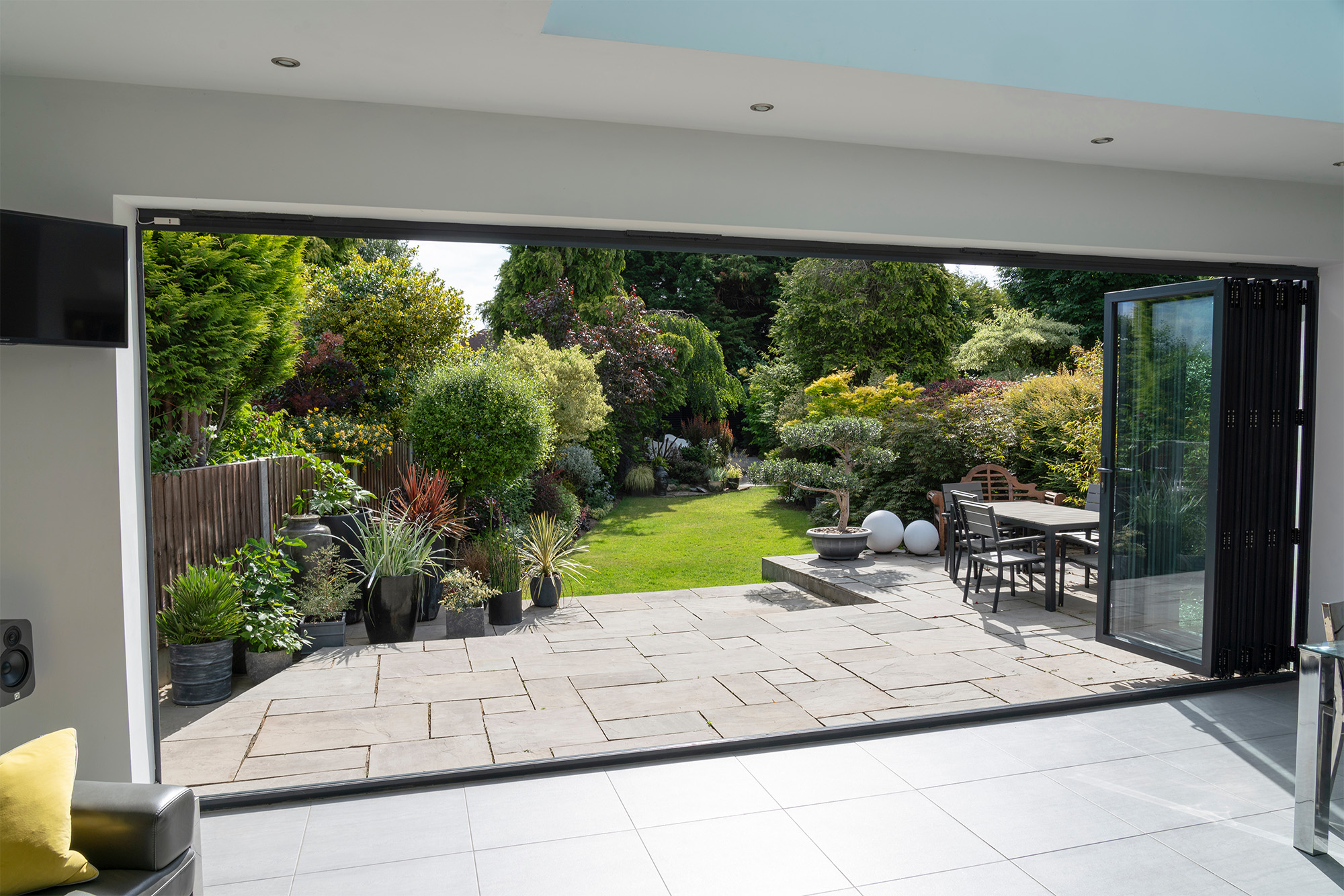
Creating a natural connection between your indoor living areas and outdoor spaces can make your home feel more open and inviting. Whether you have a patio just outside your kitchen or a covered outdoor entertaining area near your living room, your flooring choices can help bring these spaces together. Tile flooring offers a wide range of colors, textures, and styles that can help you create a coordinated appearance while meeting the practical needs of each area.
When exploring tile flooring options from Guthrie Flooring, you can consider designs that complement your interior while supporting your home's overall style. You can also explore Guthrie Flooring's flooring solutions to find options that suit your renovation plans.
Choose Colors That Connect Both Spaces
One of the simplest ways to create a visual connection between indoor and outdoor areas is to choose complementary colors. You might select neutral tile shades that work with your interior walls, furniture, and cabinetry while coordinating with the colors of your patio furniture or exterior finishes.
You do not necessarily need to use identical tiles in both areas. Choosing similar tones or related patterns can create a consistent appearance without making the spaces feel exactly the same. This approach gives you flexibility to select flooring suited to the conditions of each location.
Consider Texture and Safety
The appearance of your tile matters, but you should also think about how the surface will perform. Indoor areas typically have different requirements from outdoor spaces, where rain, moisture, and changing temperatures can affect the floor.
For outdoor applications, look for tiles specifically rated for exterior use and suitable for your local climate. Surface texture and slip resistance are especially important in areas that may become wet. Indoors, you may have more flexibility to prioritize a smooth finish or a particular decorative style, depending on the room.
Ask a flooring professional to help you compare products and confirm that the selected tiles are appropriate for their intended locations.
Plan the Layout Before Installation
The way your tile is arranged can influence how connected your spaces appear. Larger tiles may create a clean, spacious look, while a carefully selected pattern can introduce character without overwhelming the design.
Think about the direction of the tile lines, the position of doorways, and the way people move between your indoor and outdoor areas. A thoughtful layout can help guide the eye naturally from one space to another. You should also account for transitions between flooring materials and ensure that changes in floor height are handled appropriately.
Select Tile That Suits Each Environment
Although visual consistency is important, indoor and outdoor tiles do not always need to be the same product. Exterior tiles must be suitable for exposure to moisture and temperature changes, while indoor tiles should match the room's function and maintenance requirements.
Professional installation also matters. Proper preparation, suitable setting materials, drainage considerations, and appropriate grout can all contribute to a successful result, especially when your project includes an outdoor area.
Create a Connected Look for Your Home
With the right combination of color, texture, and layout, tile flooring can help your indoor and outdoor spaces feel like parts of a cohesive design. By considering appearance alongside safety and performance, you can create an environment that works for everyday living and entertaining.
Contact Guthrie Flooring to explore tile flooring options and get help choosing a style that complements your home.
Image: Coordinated tile flooring connecting a bright indoor living area with an outdoor patio.
```


