

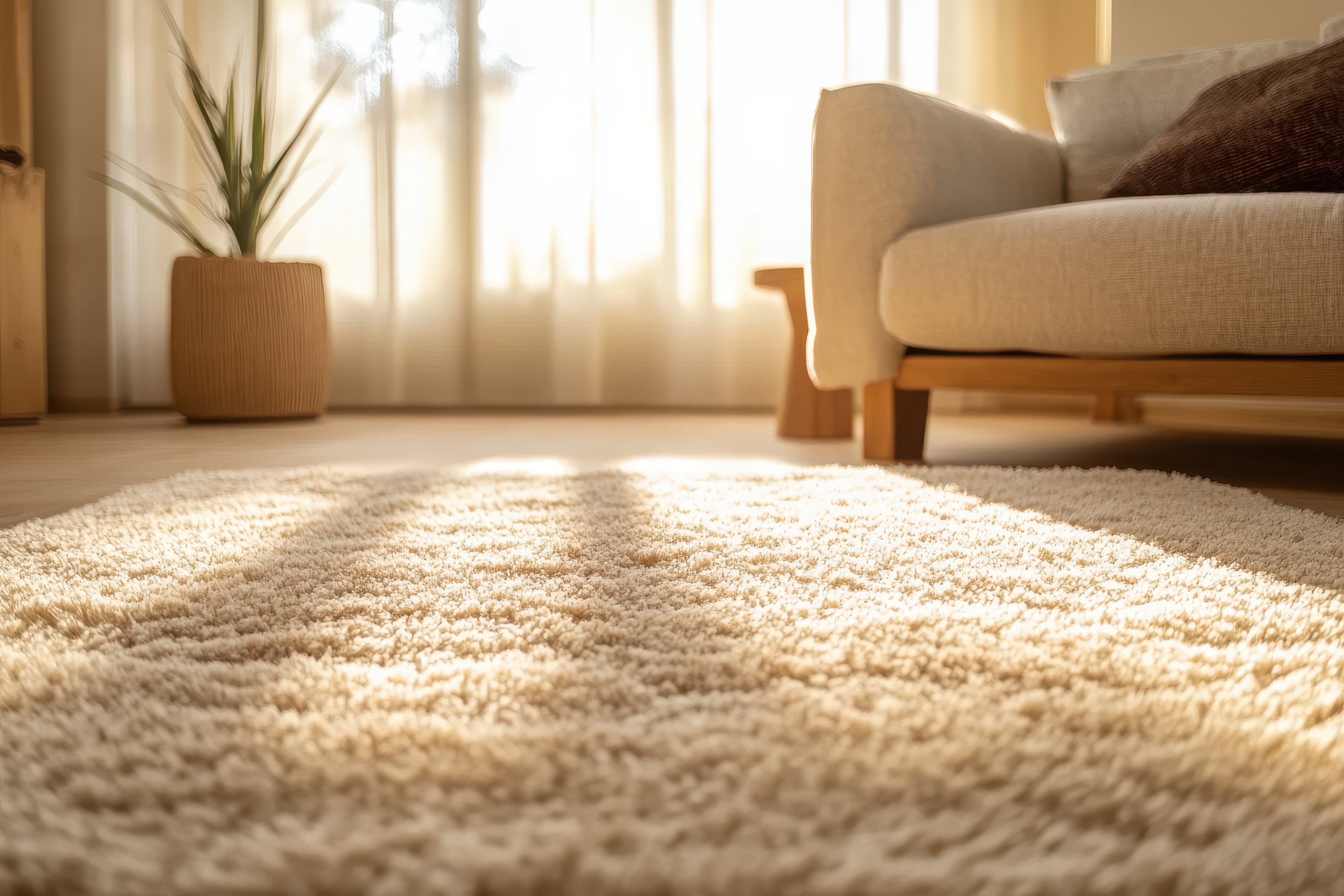
When several things happen at once in your home, noise can quickly become part of everyday life. You might hear footsteps moving between rooms, children playing, chairs shifting across the floor, or conversations carrying through an open living area. While you cannot eliminate every sound, your flooring choice can influence how noise travels and how comfortable a room feels. Carpet flooring can help soften many everyday sounds while adding warmth and comfort to your space.
If you are considering ways to make your rooms feel quieter, explore carpet flooring options from Guthrie Flooring. You can also visit Guthrie Flooring to explore flooring styles that fit your home's needs.
Understand How Carpet Affects Sound
Hard flooring surfaces can reflect sound, allowing footsteps and other noises to seem sharper in a room. Carpet has a softer, fibrous surface that absorbs some sound energy instead of reflecting it all back into the space. This can help reduce the noise associated with walking, moving furniture, and other everyday activities.
Carpet can also help limit impact noise created when feet or objects make contact with the floor. The amount of sound reduction depends on factors such as carpet construction, thickness, and the underlay used beneath it. If noise control is a priority, ask about the performance of different carpet and underlay combinations.
Choose Carpet for High Activity Areas
Your living room, family room, or play area may be among the busiest spaces in your home. Choosing carpet for these rooms can help create a softer environment where everyday movement feels less disruptive.
Think about how you use each area before selecting a carpet. If your family regularly gathers in one room to watch television, play games, or spend time together, you may appreciate a surface that softens footsteps and makes the room feel more comfortable.
For areas that experience frequent activity, consider durability and maintenance alongside sound absorption. A carpet designed for your expected traffic level can help you balance comfort with practical everyday performance.
Do Not Overlook the Underlay
The material beneath your carpet can influence how the finished floor feels and performs. An appropriate carpet underlay can add cushioning and contribute to reducing impact noise. It may also improve comfort underfoot, particularly in rooms where you spend a lot of time standing or walking.
However, not every underlay is suitable for every carpet. The right combination depends on the carpet construction, installation requirements, and the conditions of your home. Ask a flooring professional to help you choose products that work together effectively.
Coordinate Comfort With Your Interior Design
Carpet does not have to be purely practical. You can use color, texture, and pattern to support the atmosphere you want to create. Soft neutral shades can give your living room a relaxed appearance, while carefully selected patterns can add personality without overwhelming the space.
Carpet can also work alongside curtains, upholstered furniture, and other soft furnishings to create a more comfortable acoustic environment. If your room has high ceilings or many hard surfaces, combining these elements may help reduce the feeling of echo.
Create a More Comfortable Living Environment
The right carpet can contribute to a room that feels softer, warmer, and less noisy during everyday activities. By considering the room's purpose, carpet construction, underlay, and maintenance needs, you can choose an option that supports both comfort and style.
Contact Guthrie Flooring to explore carpet flooring options and find a comfortable solution for your busy living spaces.


